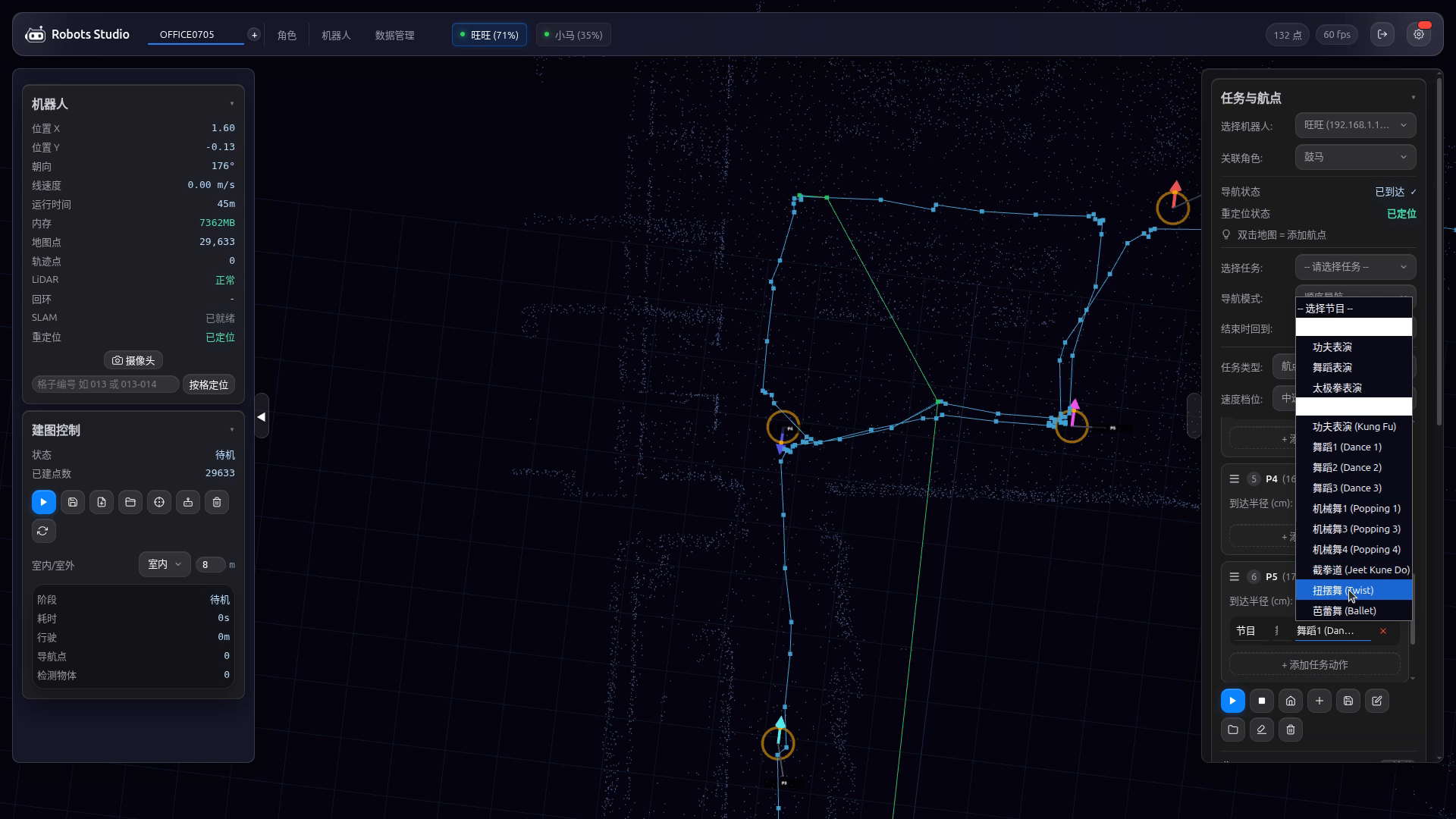
 SDK · ROS · NAVIGATION · PLATFORM
Robot development
Verify the exact edition and interfaces, then use a representative PoC for jobs, data flow, safe fallback and handover.
Open the business decision page →
Define the job, site, evidence, operating owner and acceptance method first. Then decide whether to buy, rent or integrate. This hub contains all GUMA industry-application and buyer-decision content.
A demonstration proves that a robot completed an action once under a particular condition. It does not prove business readiness. A useful proposal must answer five questions: the exact job, allowed site conditions, validation evidence, operating owner, and safe fallback when the system fails.
We do not create a duplicate page for every keyword. Robot development, education, stores, data collection and the Robot Studio management platform each use one maintained page for observed searches, buyer evidence, trial behaviour and enquiries.
SDK · ROS · NAVIGATION · PLATFORMVerify the exact edition and interfaces, then use a representative PoC for jobs, data flow, safe fallback and handover.
Open the business decision page →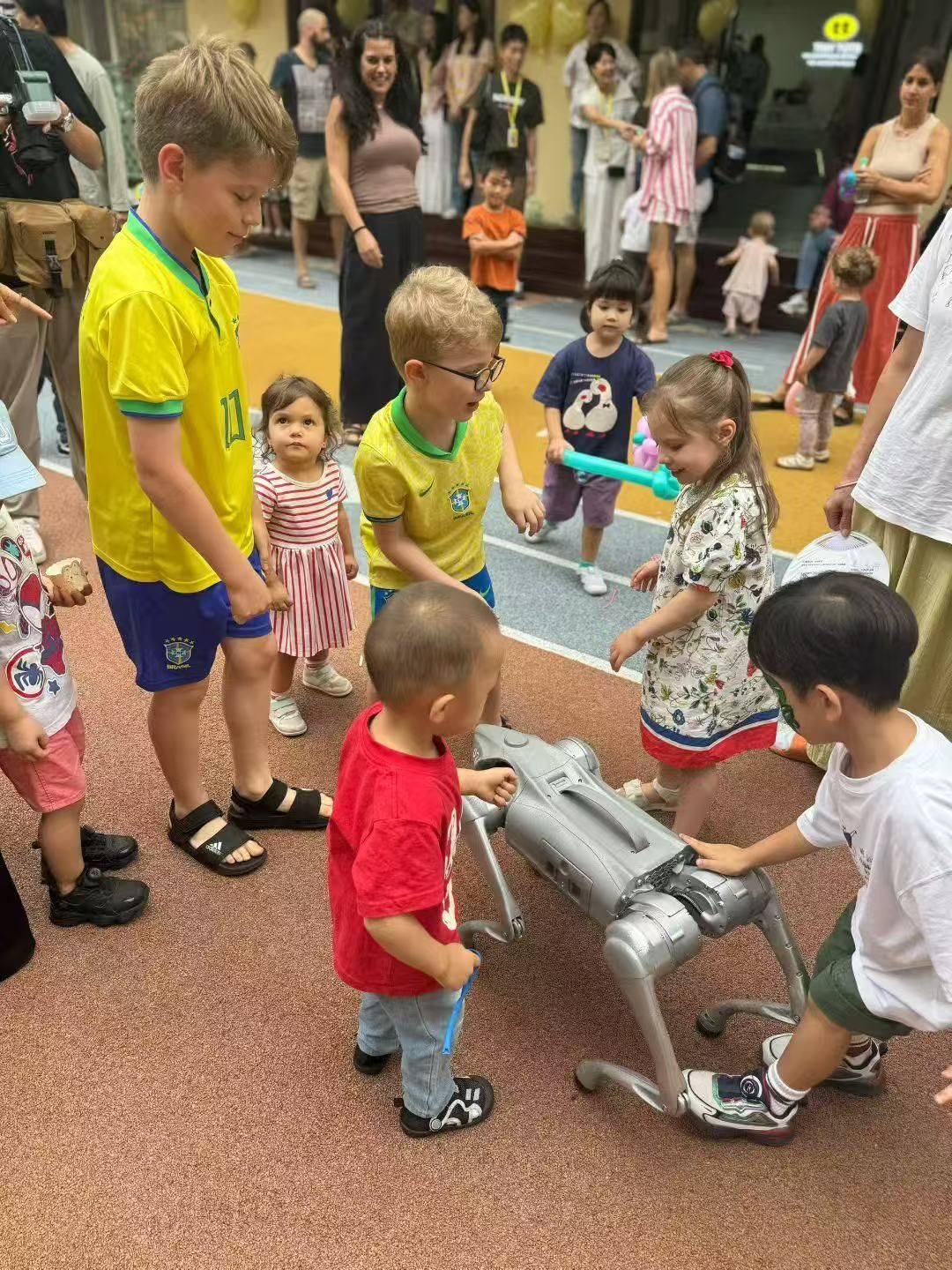 COURSES · LABS · REPRODUCTION
Build around learning goals, access, labs, faculty readiness, safety and reproducible acceptance.
Open the business decision page →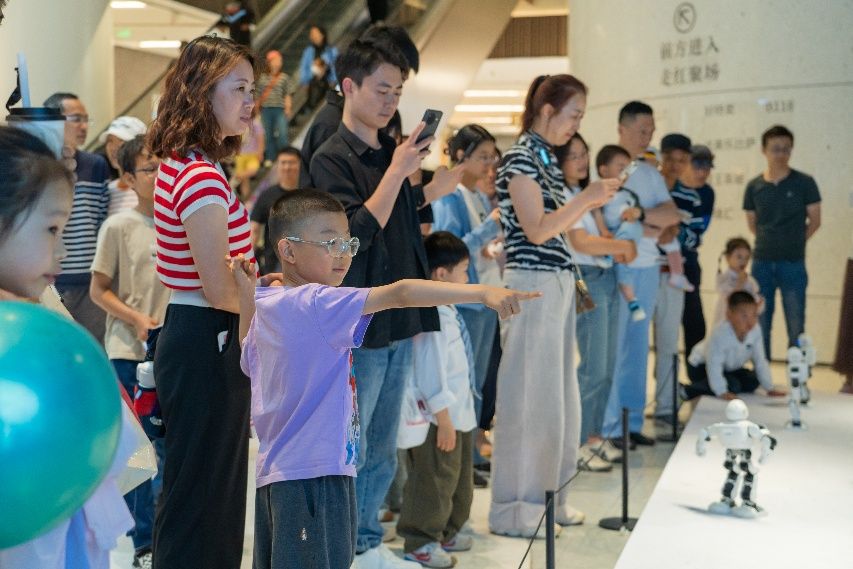 EXPERIENCE · POP-UP · OPERATIONS
Validate audience, programs, staff load, safe flow and valid enquiries before equipment and replication.
Open the business decision page →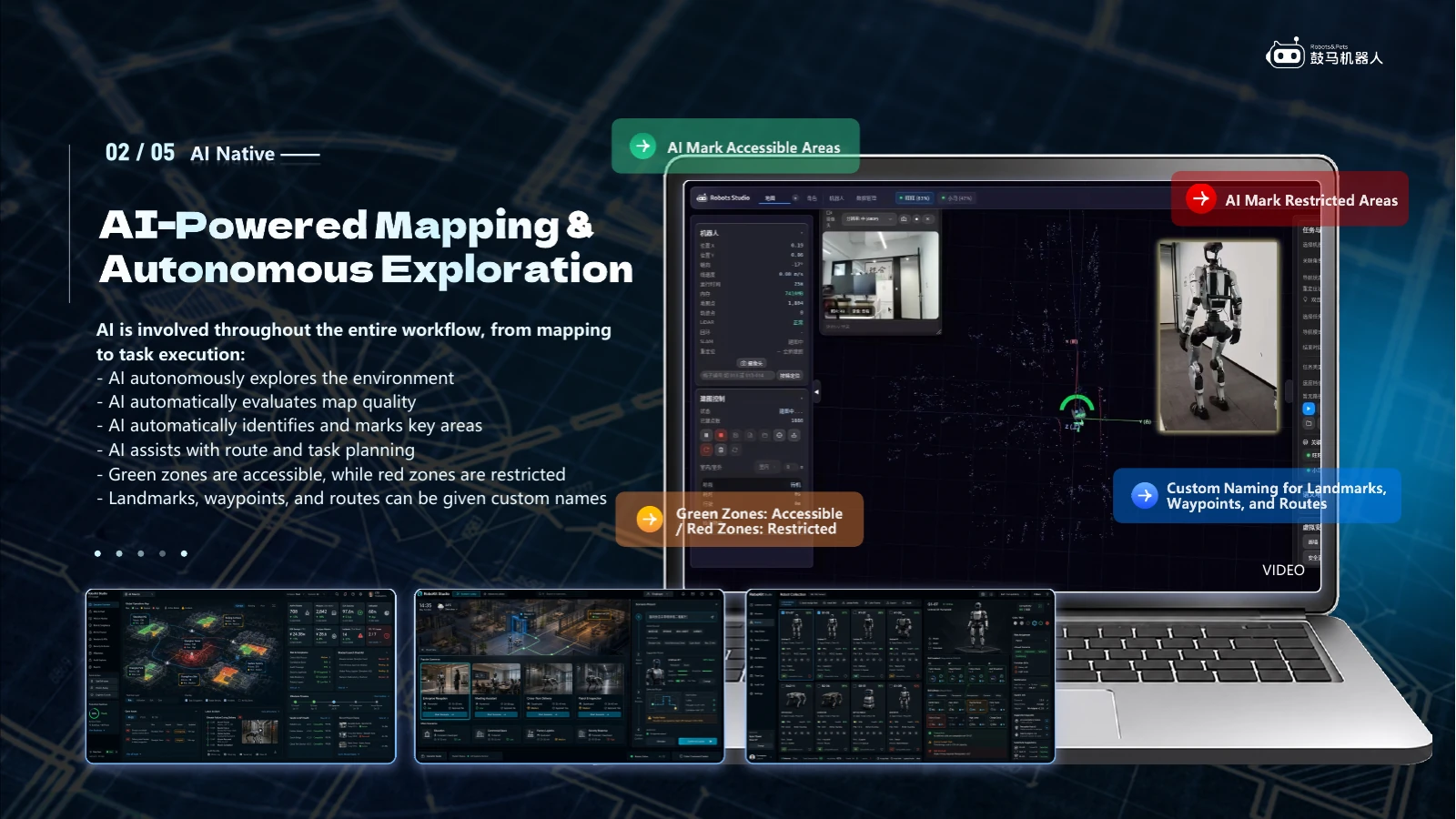 REAL ROBOTS · TELEOP · DATA QUALITY
Derive signals, synchronization, calibration, coverage, failure labels, privacy and delivery from downstream use.
Open the business decision page →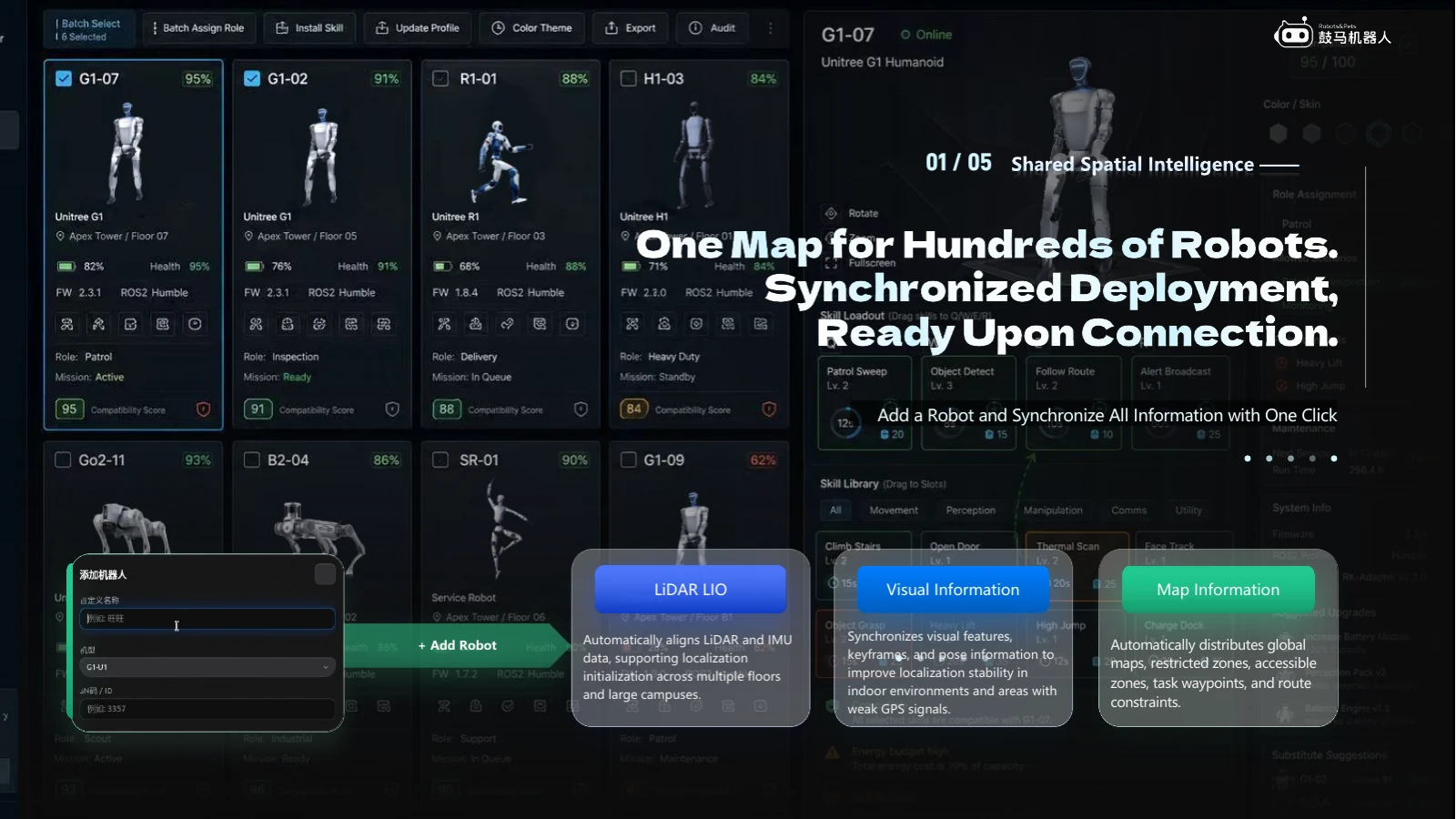 MAPS · JOBS · SKILLS · FLEET
Use Robot Studio to manage maps, points, jobs, skills, access and data assets, then move from an isolated trial to a PoC, on-premise deployment or operations.
Open the business decision page →Industry attention is moving from motion showcases toward real-robot evaluation, deployment infrastructure and delivery. We translate those signals into buyer questions rather than reproducing media conclusions.
Ask whether the exact edition can repeat the target job at the target site.
Buyer actionRequire representative trials, failure records, human intervention rules and acceptance criteria.
Voice, motion and navigation are components; content, maps, jobs, accounts, logs and takeover create an operation.
Buyer actionMap data flow, ownership and exception handling before quotation.
Humanoid, quadruped, wheeled and fixed systems have different access, interaction, payload and risk boundaries.
Buyer actionMeasure doors, lifts, floors, slopes, audience distance and handling first.
A leaderboard or launch can identify a candidate, not verify a hardware/software combination at your site.
Buyer actionRetain conditions, raw records, versions, thresholds, errors and reviewer.
Charging, inspection, content, access, maintenance, spares and recovery continue after launch.
Buyer actionName the operator, support boundary, change process and shutdown criteria.
Each page follows job, conditions, system, acceptance and limitations. Unsupported capability remains an explicit validation item.


| Application | Primary job | First evidence | Common mismatch | Typical route |
|---|---|---|---|---|
| Guide & reception | Deliver approved content and reach points safely | Route trial, answer boundary, takeover record | No content owner or constantly changing site | Pilot then purchase/integrate |
| Retail & livestream | Move attention to a trackable next step | Script, product source and attribution | Expecting the robot alone to guarantee sales | Event rental or content integration |
| Inspection | Capture reviewable site evidence | Defect definition, raw evidence and alert loop | Unverified hazardous-area or communications conditions | PoC then integration |
| Events | Run safely within the program window | Full rehearsal, release and contingency plan | No boundary, operator or rehearsal | Rental and on-site execution |
| Education & research | Complete a reproducible lab or lesson | Interface rights, record and recovery steps | Buying from appearance or performance alone | Purchase, training and development support |
These existing project and event assets illustrate crowds, stages, cameras, venues and multi-robot operation. They are not used to claim a named customer outcome.


A commercial route should not be chosen without the application. Select the job first, then decide from duration, standard capability gap and internal ownership.
For teams with a defined repeat job, equipment owner and maintenance capacity.
Open the purchase evidence list →For dated exhibitions, filming, shows and pre-purchase pilots.
Open the rental preparation list →For SDK, ROS, sensors, maps, enterprise APIs or an operating console.
Open the PoC and delivery boundary →These guides help procurement, engineering and operations discuss one evidence set instead of making trend-driven conclusions.

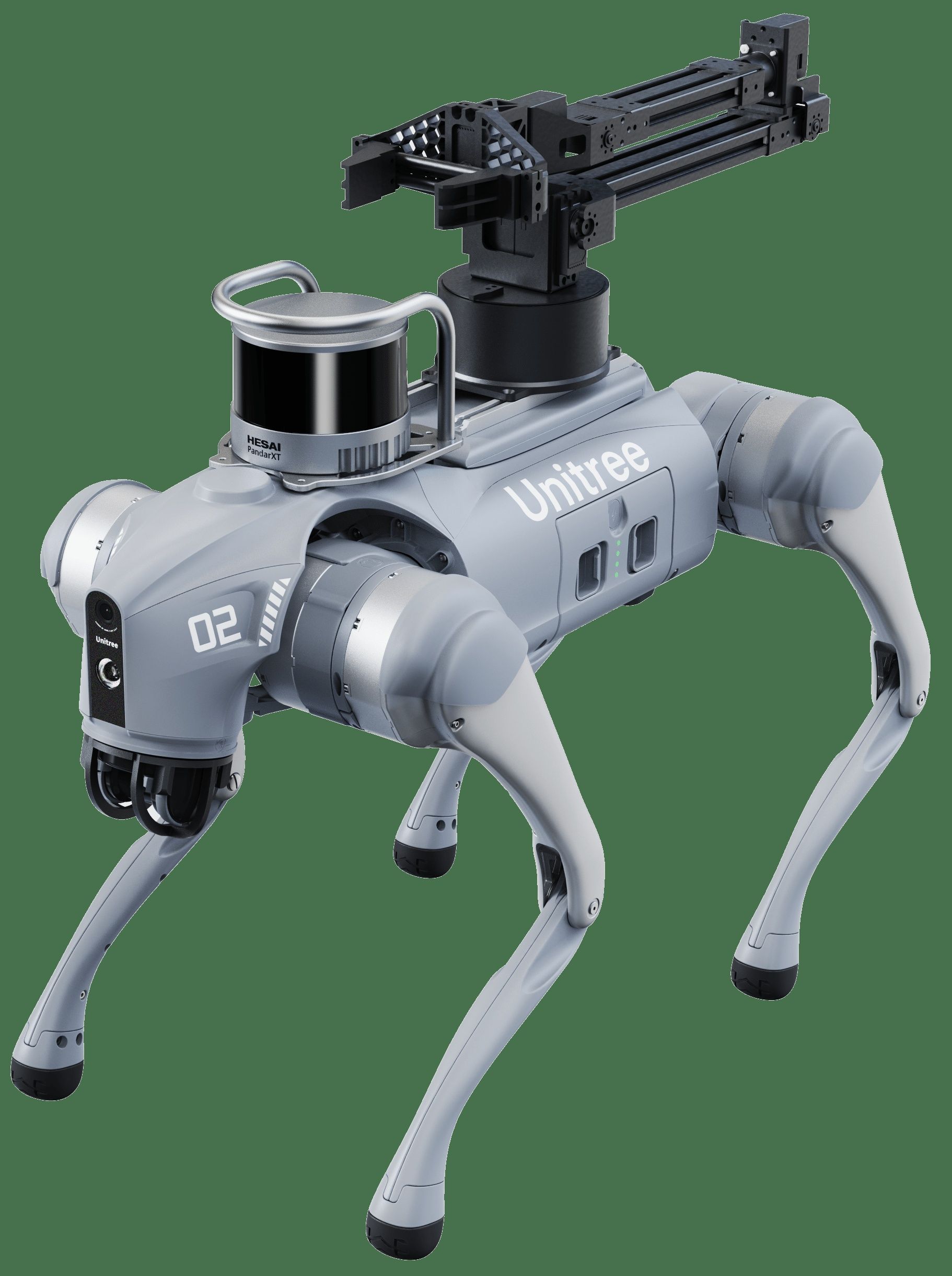
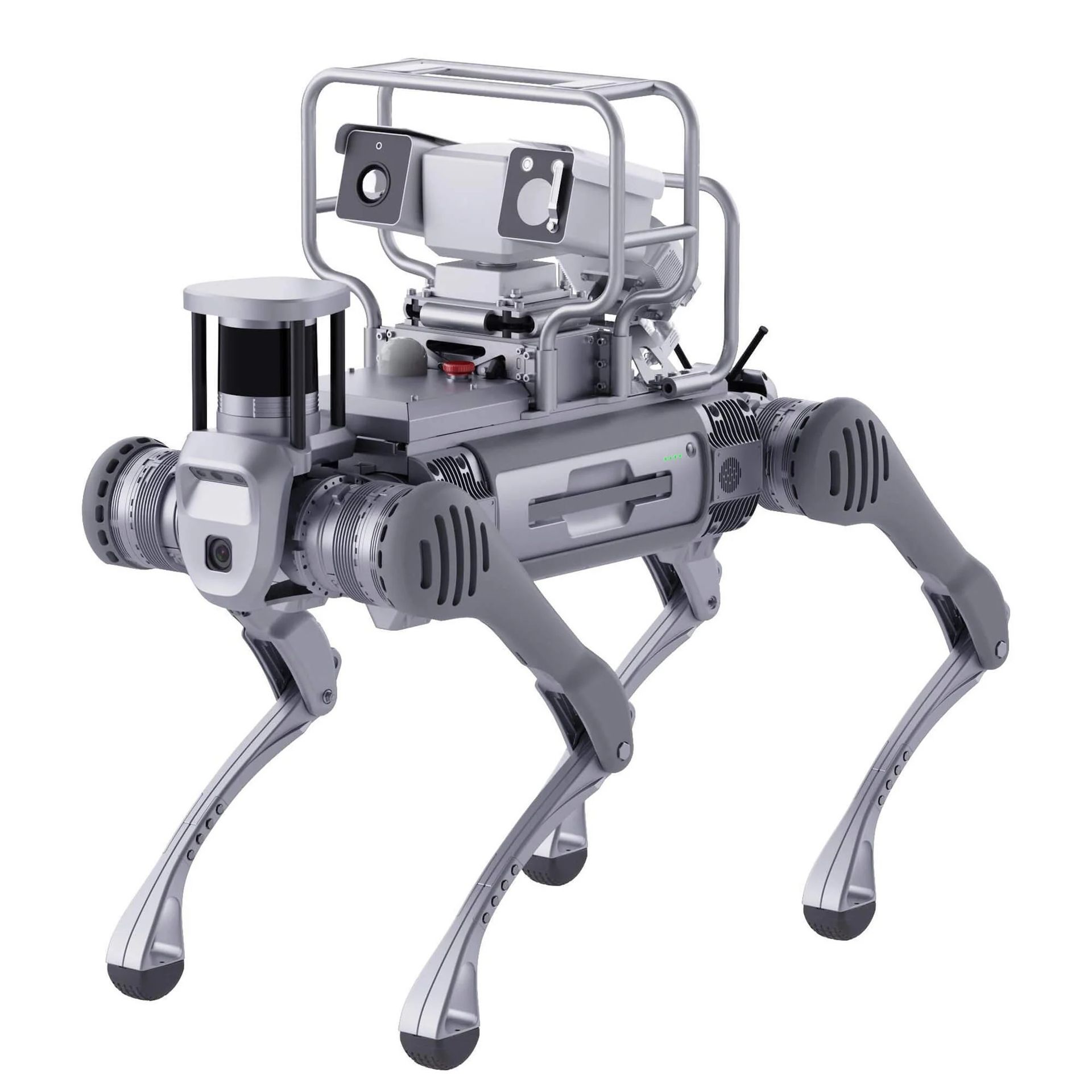
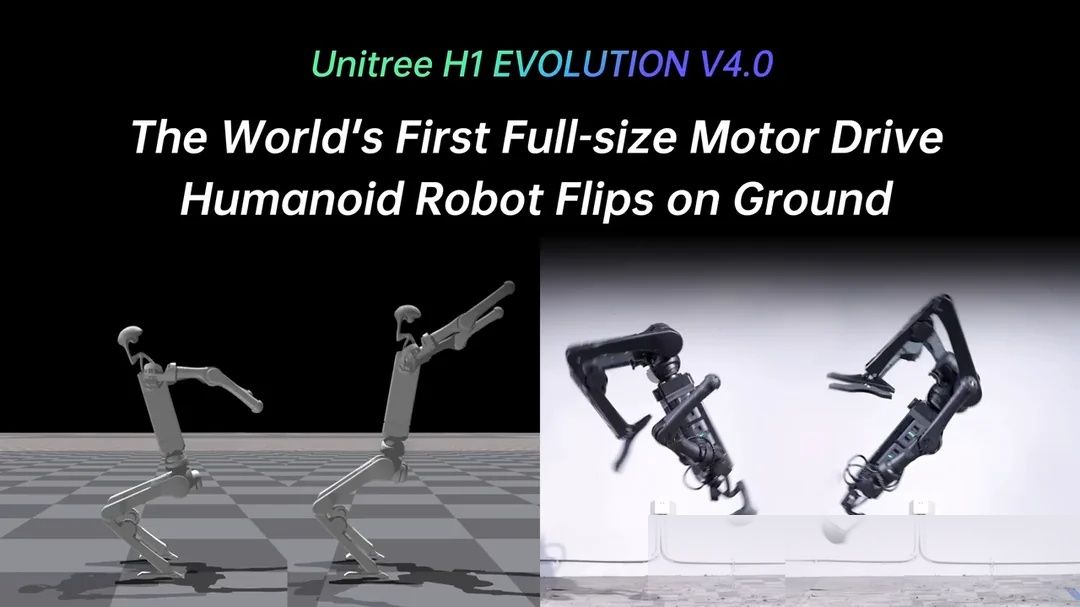
Define the job, field conditions, human ownership, system interfaces and acceptance method before quotation. Specific inputs reduce model mismatch, hidden integration work and the risk of treating a demonstration as a deliverable.
You can submit an incomplete brief. We will return the missing inputs and validation order before discussing model, schedule and price.
State the destination, public or controlled setting, users, site owner and operating staff.
List mandatory actions, frequency, duration, fleet size and target date.
Provide a floor plan, surfaces, slopes, doors, lifts, network, power, sensors and business interfaces.
Define operating distance, restricted zones, stop control, human takeover and degraded operation.
Set test scenes, pass conditions, records, training, release management and maintenance ownership.
Industry application update · 2026-07-21
A model recommendation is useful only after the job, site, people, interfaces, budget and timing are defined. Before that, we can provide only a candidate set for validation.
Robot projects fail at undocumented site conditions, release differences and human responsibilities. Stating boundaries early enables a testable purchase and delivery scope.
Start with the site, target job, date or duty cycle, quantity, existing systems, field constraints and unacceptable failures. Floor plans, network and interface material can follow.
Share the job, destination, date or duty cycle, quantity, existing systems and unacceptable failures. We will identify missing inputs and a validation path before model and price discussion.
Share the site, target job, date or duty cycle, quantity, interface needs and unacceptable failures. We will first return missing inputs and validation steps.
Submit an application brief →