
Recommended configuration
Configure robots, motion release, operators, freight, charging and backup routines from the stage, program and audience distance.
EVENTS & PERFORMANCE SOLUTION
A single interactive robot, a synchronized group and a new choreographed production have very different requirements. This page does not reserve a routine or fleet; final scope follows equipment availability, risk review and site rehearsal.
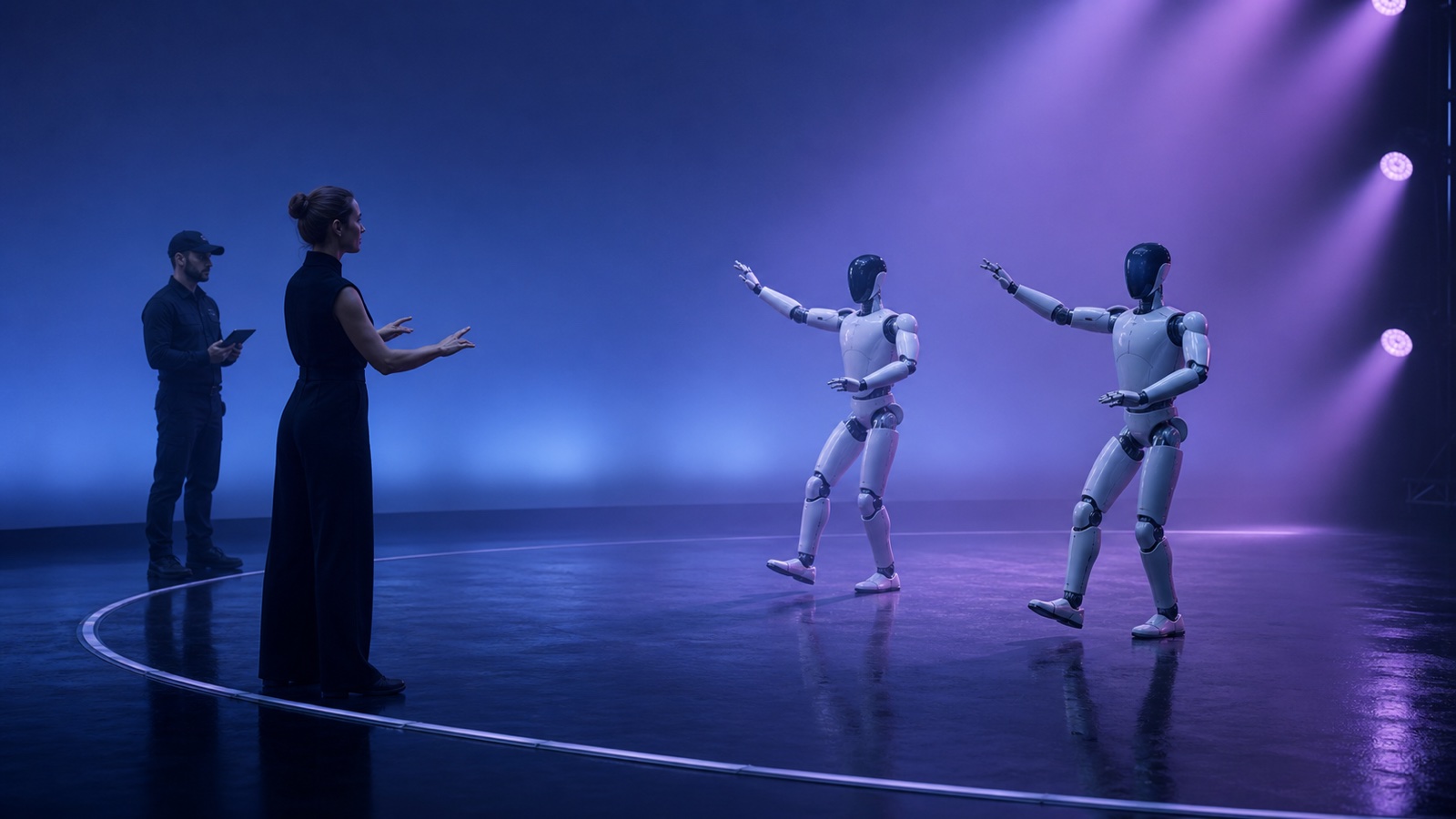
Robot event and performance production covering show design, motion, music, fleet planning, venue safety, logistics, rehearsal, operators, media rights and review for launches and exhibitions.
Confirm these items before quotation and scheduling; each project requires a tailored scope.
Configure robots, motion release, operators, freight, charging and backup routines from the stage, program and audience distance.
Date, stage plan, entrances, duration, music rights, power, rehearsal and safety approval.
Program and equipment list, blocking and timing, rehearsal record, operation/stop plan and strike plan.
Fleet availability, robot count, motion and music, stage conditions, freight, approval and rehearsal count.
These existing field and system materials illustrate crowds, sites, programs, maps and operating variables. They do not claim a customer outcome or replace exact-edition testing.


Define purpose, duration, fleet, character, music and brand message, then build from verified routines. New motion and synchronized groups require production, simulation, physical testing and venue adaptation.
Do not ask a robot to perform a dynamic movement on an untested surface, next to an uncontrolled audience or without a safety zone. Demonstration capability is not automatically a production-ready show.
Confirm stage dimensions, loading, level, material, slopes, edges, lighting, audio, radio environment, power and backstage space. Transparent, reflective, flexible or wet floors may change the program.
Load-in window, lift, door width, cases, charging and supervision also belong in the production plan. Late changes may require fewer movements or units.
Complete equipment inspection, individual blocking, audio sync, host rehearsal, full run and post-rehearsal inspection. There must be one clear authority for start, pause and emergency stop.
Operators need direct sight of the robot and boundary. Stop when visitors enter the zone, the floor changes, a device event occurs or communication becomes unstable.
Agree use of event photographs, client name, music, marks and personal likeness in writing. Generated concept art must not be presented as documentary evidence of a real event.
A review may record completed segments, rehearsal issues, device events, interaction and media data, but sources, definitions and period must be disclosed.
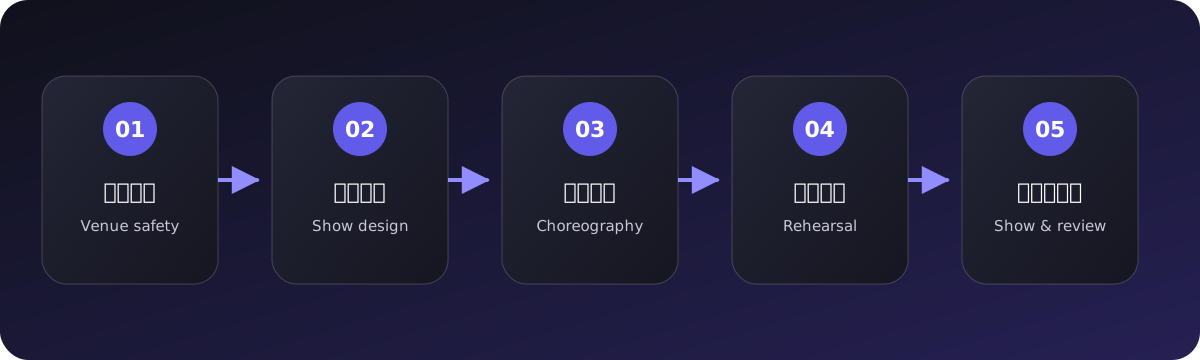
| Gate | Confirm | Pass condition | If not passed |
|---|---|---|---|
| Creative | Objective, fleet, program and risk | Script and motion scope approved | Reduce or redesign |
| Venue | Floor, clearance, power, route and crowd | Venue sheet and plan approved | Change site or limit motion |
| Rehearsal | Blocking, music, host, stop and fallback | Full run without major issue | Continue work or use fallback |
| Show | Command, supervision, boundary and review | Run the approved release and retain log | Pause or terminate |
A real selection decision must combine the job list, field conditions, exact-edition manufacturer documentation, a representative test and a written quotation. General guidance on this page does not replace final configuration, test records or acceptance documents.
Fact-checking note: capability, pricing and lead-time statements are conditional planning guidance, not guarantees for a site, outcome or return. Final results depend on the model, options, software release, site, network, operator readiness and signed scope. Confirm through site discovery, representative tests, a written quotation and current manufacturer documentation.
Timing depends on date, city, fleet, complexity, new motion and venue approval. A stock segment and a new synchronized production have different schedules; build the plan after availability review.
Selected products and programs can, subject to model, release, synchronization, spacing, floor and radio conditions. A full rehearsal and emergency-stop test are required.
Assess weather, protection, floor, glare, power, crowd and an indoor fallback. A protection rating does not make every rain, heat or wind condition acceptable for a show.
The show plan needs pause and stop calls, a backup unit or segment, host wording and a removal path. Safety-related events are not ignored to finish the show.
Share objective, date, city, quantity, program concept, stage plan and audience. We will review hardware, production effort and safety conditions.