
Place
Site type, area, term, opening hours, organic traffic and property rules.
ROBOT EXPERIENCE STORE · RETAIL OPERATIONS
For experience stores, mall pop-ups, brand showrooms and science spaces. Robots are not the business model; the site, program, staff, safety and lead follow-up must work together.
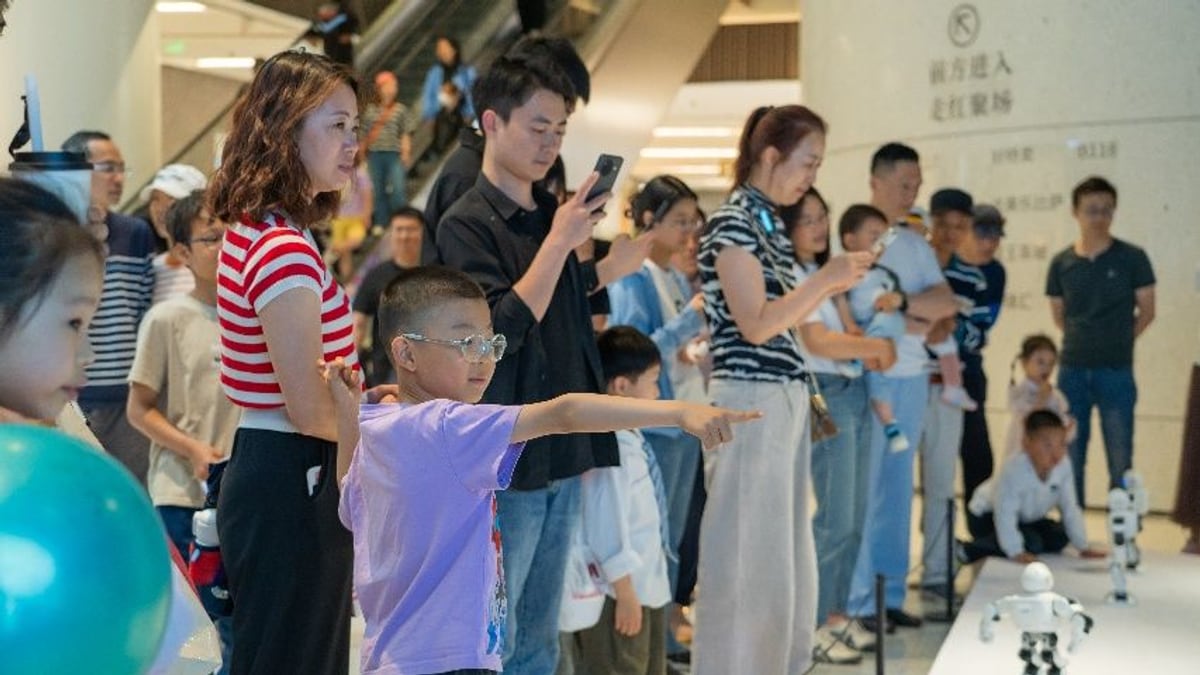
Incomplete material is acceptable; missing inputs will become a validation list.
Site type, area, term, opening hours, organic traffic and property rules.
Families, students, visitors, enterprise buyers or enthusiasts and their motivation.
Experiences, classes, events, products or enterprise enquiries.
Manager, guide, coach, operator, safety and lead follow-up owners.
These materials expose operating variables; they do not prove a universal outcome.
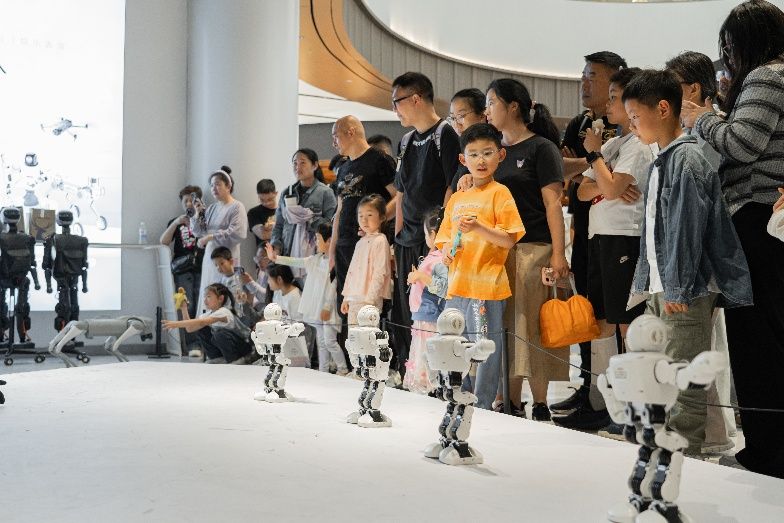
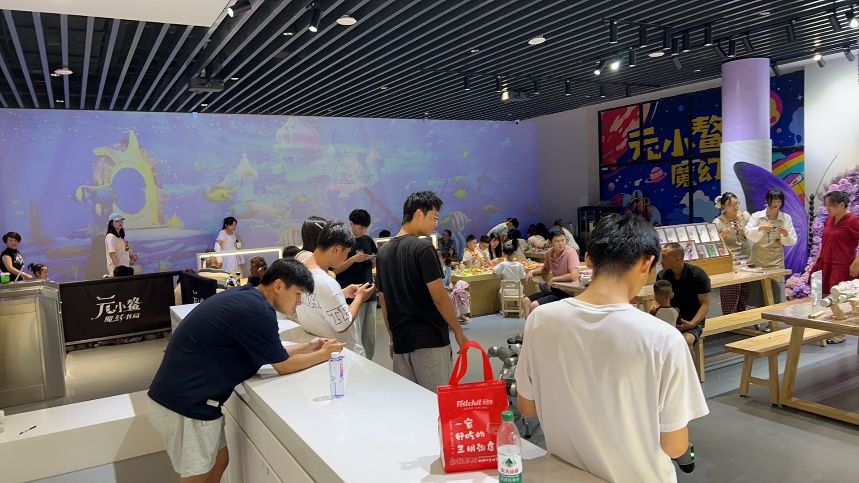
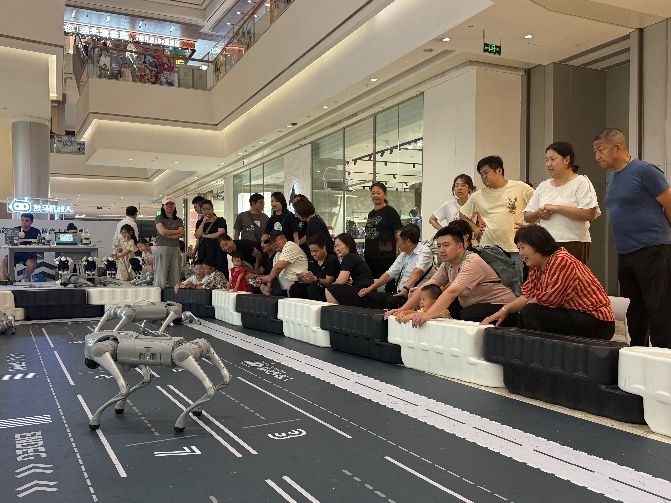
An experience store, retail point, class space and enterprise showroom solve different jobs. Attraction alone is not positioning.
Map a path from awareness and entry to a completed experience and a relevant next action.
Use robots to support programs with capacity, duration and staff ownership. Dynamic motion, close interaction, classes and free play need different controls.
Balance content renewal with approved, safe operations.
Plan freight, charging, batteries, network, surfaces, boundaries, stop controls, inspection and evacuation before opening.
Record equipment condition, faults, interventions and aborted experiences every shift.
Separate opening-event excitement from repeat operations; observe booked visits, completion, valid enquiries and staff load.
Expand only after content, safety, fleet availability and lead follow-up are stable.
| Area | Record | Evidence | Common mistake |
|---|---|---|---|
| Visitors | Source, bookings, visits and time | Target audience appears | Total visits only |
| Experience | Completion, aborts, wait and feedback | Repeatable within staff capacity | Photo shares only |
| Safety | Stops, boundaries and intervention | Rules work and recovery is clear | No incident means no risk |
| Acquisition | Enquiry, intent, owner and status | Timely follow-up | Treating scans as sales |
Use the exact manufacturer edition, interface documentation, representative tests and the written project baseline. Internal catalogs help discovery but do not replace current manufacturer evidence.
Capabilities, price and lead time are conditional planning information, not a performance or return guarantee. The written configuration, test and contract control the final scope.
It depends on the program, capacity, operators and backup. Validate the smallest workable mix first.
Use a mix of local traffic, booked events, classes, enterprise groups, school partnerships, content and tracked follow-up.
Yes. It is often the safer way to validate audience, content, reliability and staff load with a defined exit.
No. Location, rent, team, content, price and execution all affect results; use local research and trial data.
Share the site, task, exact robot if known, target date, interfaces and unacceptable failures. We will return missing inputs and validation gates.