
Use
Training, evaluation, replay or algorithm validation and target reader.
ROBOT DATA COLLECTION · EMBODIED AI
For embodied AI, navigation, manipulation, imitation learning, perception and robot evaluation. Define the training or evaluation need before selecting robots, sensors, scenes, operators and protocols.
Incomplete material is acceptable; missing inputs will become a validation list.
Training, evaluation, replay or algorithm validation and target reader.
Objects, initial state, success/failure, variation, repetition and termination.
Sensors, rates, frames, sync, calibration, encoding and units.
Site, people/object rights, privacy, transfer, retention, access and deletion.
These materials expose operating variables; they do not prove a universal outcome.
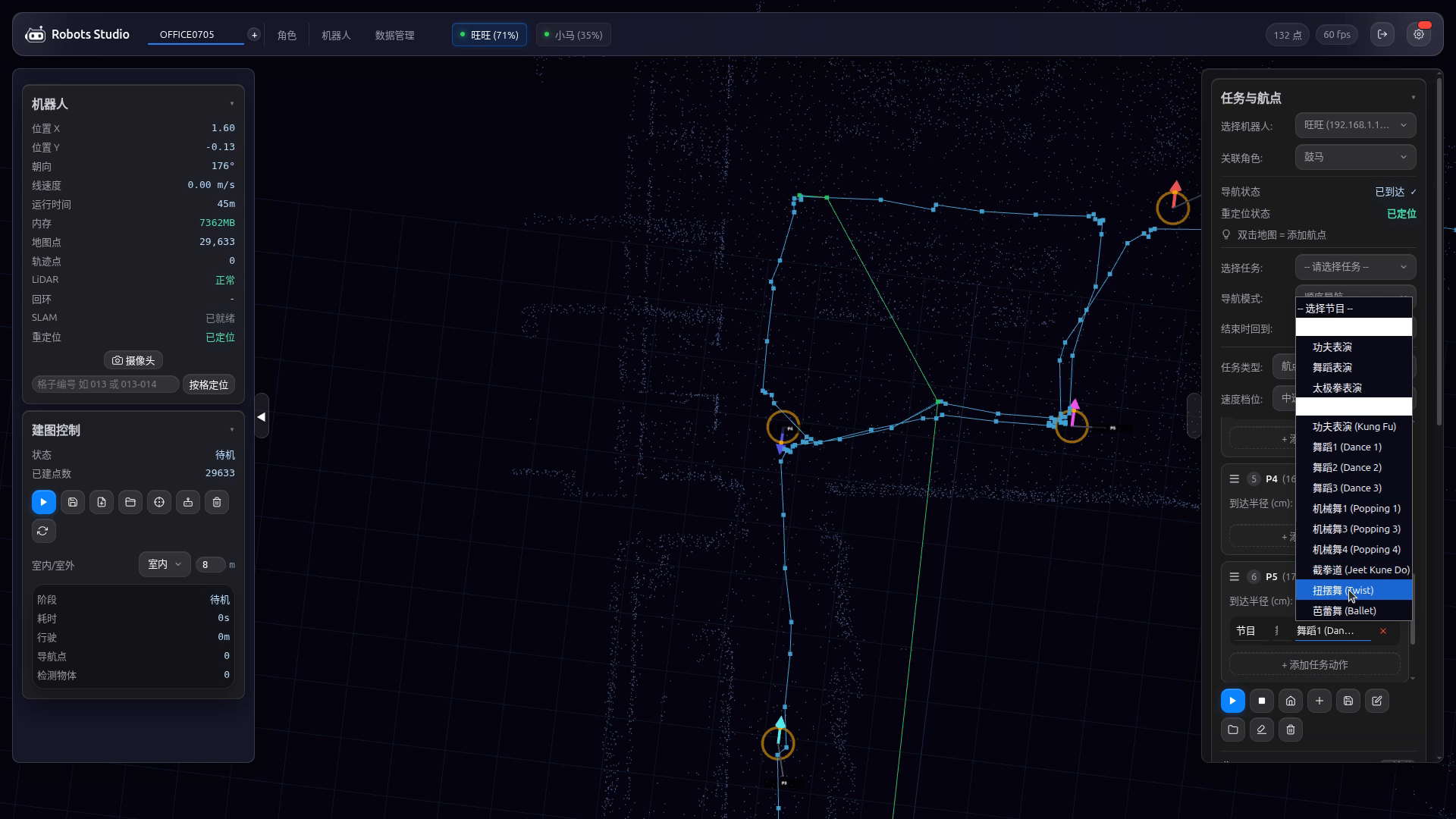
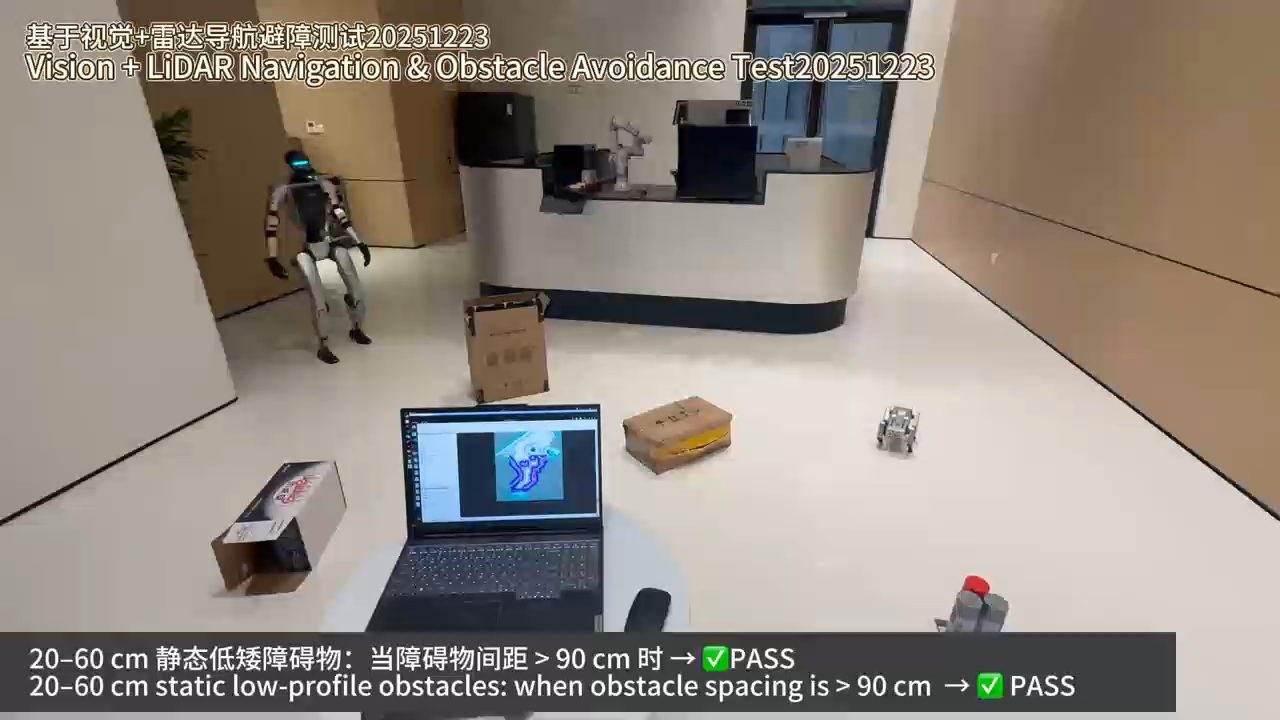
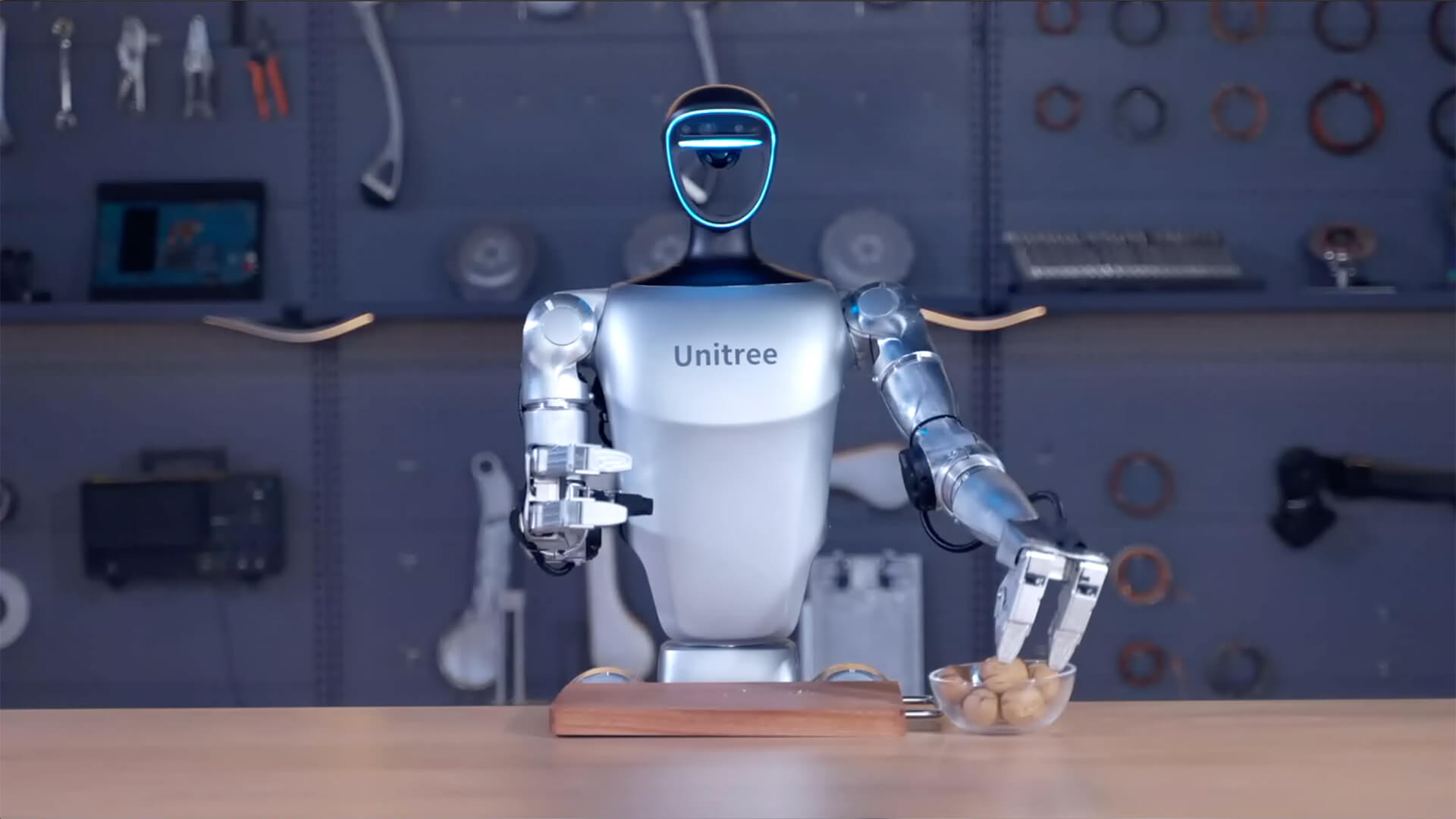
Imitation, perception, policy evaluation and fault analysis need different signals, rates and labels. Agree on one readable sample across algorithm, robot and data teams.
Separate required, optional and prohibited fields, with units, frames, timestamps, compression and missing-value rules.
Capture and replay a small batch before scaling people and sites. Align cameras, depth, LiDAR, joints, actions, force and events on one timebase.
Calibration, drift, drops and resets can invalidate visually complete data; retain raw logs and quality marks.
Success-only demonstrations create bias. Cover objects, positions, lighting, backgrounds, operators and failure classes while controlling variables.
Teleoperation data should record controller, latency, takeover, operator and difficulty; clock time is not valid-data time.
Automatically inspect format, frames, time, range and missing values, then manually review semantics and labels. Trace issues to equipment, site, operator and capture release.
Deliver data, schema, reader, versions, quality report, known limits and authorization. One model result is evidence, not a general guarantee.
| Gate | Check | Evidence | Failure action |
|---|---|---|---|
| Readable | Files, schema, encoding and units | Validator and reader | Quarantine and export again |
| Aligned | Time, frames, coordinates and calibration | Sync statistics and replay | Calibrate or recapture |
| Semantic | Task, events and success/failure | Sampling and second review | Relabel or add capture |
| Compliant | Rights, privacy, scope and retention | Data card and access record | Delete, redact or stop |
Use the exact manufacturer edition, interface documentation, representative tests and the written project baseline. Internal catalogs help discovery but do not replace current manufacturer evidence.
Capabilities, price and lead time are conditional planning information, not a performance or return guarantee. The written configuration, test and contract control the final scope.
By equipment, task, site, operator, duration, valid rate, labels, quality and format. A pilot is the safer estimate.
Where the exact device, site and safety conditions allow it, with control, rate, latency, state/action, takeover and failure definitions.
Run a pilot through reading, replay and the target training/evaluation path; inspect sync, calibration, distribution, labels and rights.
No. Validate on a fixed baseline and evaluation set with algorithm, release and experiment conditions recorded.
Share the site, task, exact robot if known, target date, interfaces and unacceptable failures. We will return missing inputs and validation gates.